Affordable Synthetic Diamond Rings for Every Budget
Sustainable Sophistication: The Benefits of Choosing Synthetic Diamond Rings
Lab-grown diamond rings signify a shift towards greener choices in the jewelry market. These lab-created gems deliver an conscientious and environmentally friendly alternative to classic mined diamonds. With their exceptional beauty and more affordable pricing, they appeal to modern couples searching for both elegance and responsibility. As understanding of their strengths grows, many are left to contemplate how these innovations may redefine the future of engagement rings and personal expression.
Grasping Man-Made Diamonds: What Are They?
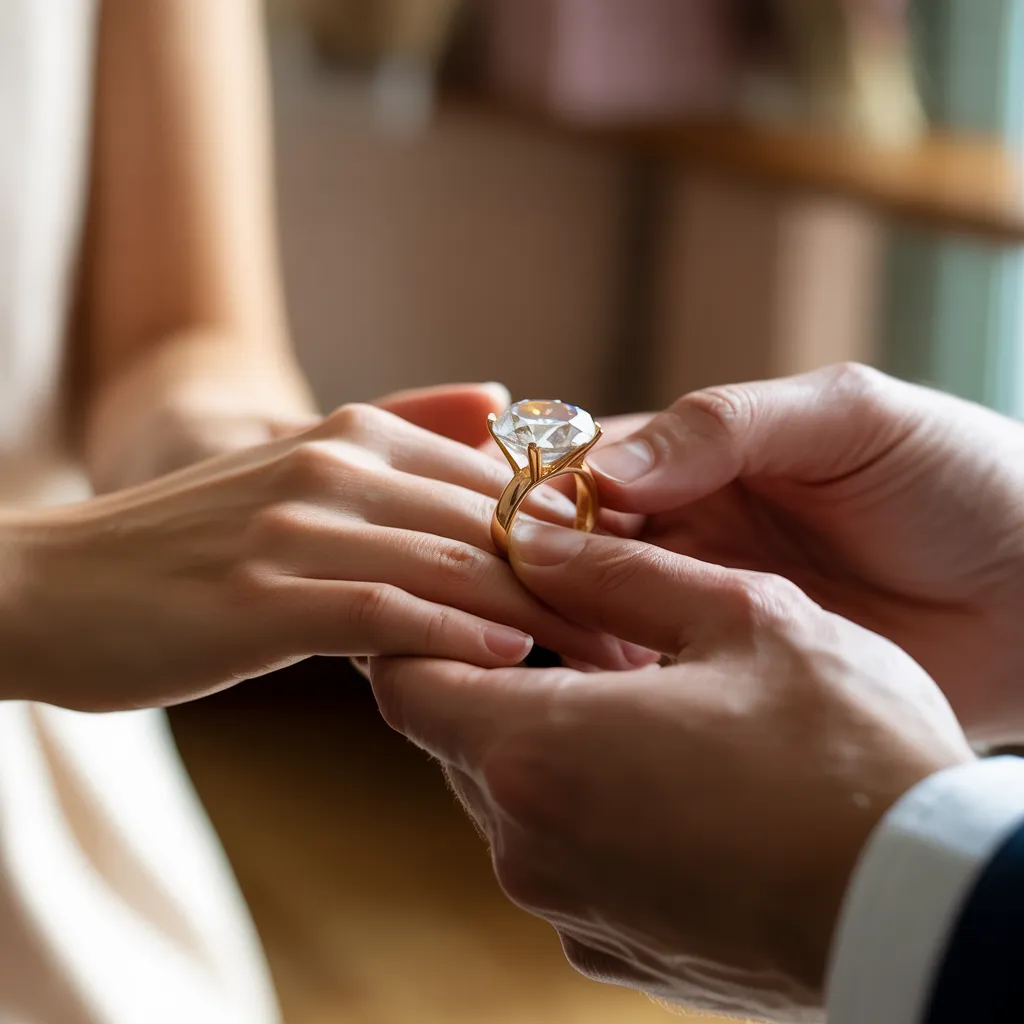
Synthetic diamonds, often referred to as lab-grown diamonds, are man-made gems created through processes that replicate the natural conditions under which diamonds form. These diamonds are produced using two primary methods: High-Pressure High-Temperature (HPHT) and CVD (CVD). These two approaches generate stones with equivalent physical, chemical, and optical attributes to their earth-extracted equivalents. As a result, lab-grown diamonds cannot be differentiated from natural diamonds by visual inspection alone and typically need expert tools for detection. Moreover, their production permits superior management of quality standards and proportions, establishing them as a desirable alternative for purchasers. As innovations develop, the appeal of man-made diamonds keeps expanding, providing a contemporary option to traditional gemstone procurement.
Environmental Impact: Why You Should Pick Lab-Created Gems
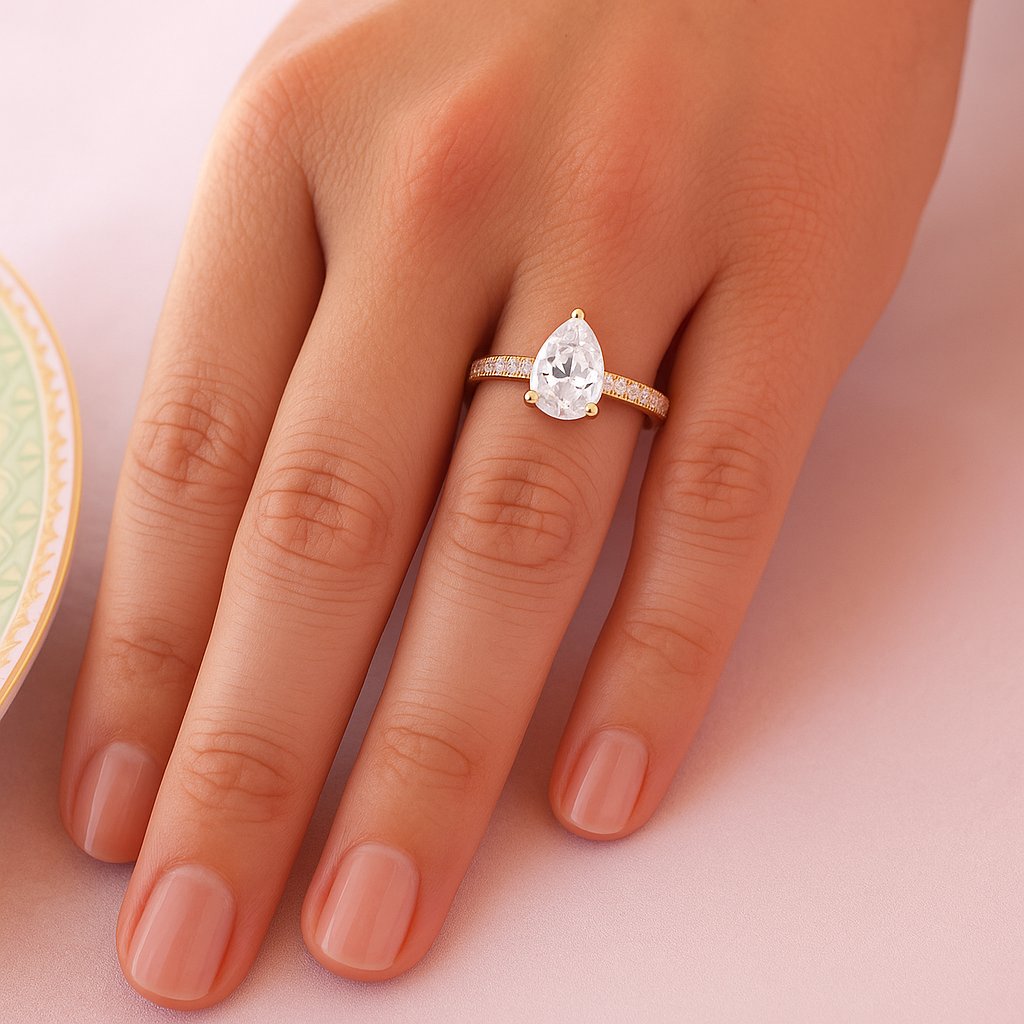
Why would consumers prefer lab-created gems over naturally mined diamonds? The environmental benefits of lab-created gems substantially affect this choice. As opposed to mined diamonds, which involve considerable land disruption, water usage, and energy consumption, lab-created diamonds are generated in controlled environments that limit ecological harm. The carbon footprint associated with their creation is considerably lower, as these gems can be manufactured using renewable energy sources. Furthermore, lab-created gems do not contribute to habitat destruction or ecosystem imbalance, making them a sustainable alternative. As recognition of climate change and environmental degradation expands, many consumers look for options that correspond to their values, further boosting the preference for lab-created diamonds. This shift represents a broader commitment to safeguarding the planet for coming generations.
Ethics and Responsibility: Clear Sourcing Methods
Ethical considerations regarding synthetic diamond rings increasingly center on transparency in sourcing. Consumers now require assurance that their gems are conflict-free and produced through sustainable practices. This shift underscores the importance of traceability in the diamond supply chain, promoting responsible choices.
Ethical Sourcing Guarantee
Conflict-free sourcing assurance has emerged as a crucial concern in the jewelry industry, especially with the growth of synthetic diamond rings. Consumers more and more prioritize ethical considerations, seeking products that do not support human rights abuses or environmental degradation. Synthetic diamonds, produced in controlled environments, present a transparent alternative to mined stones, ensuring that their origins are free from conflict. Organizations and retailers are now implementing stringent sourcing policies, emphasizing traceability and accountability in their supply chains. This shift not only addresses ethical dilemmas associated with traditional diamond mining but also cultivates consumer trust. As awareness grows, conflict-free sourcing assurance becomes integral to the appeal of synthetic diamond rings, aligning luxury with responsible consumerism.
Green Production Strategies
As buyers grow more aware of the ethical implications of their purchases, environmentally responsible production techniques in the jewelry industry have gained significant attention. Lab-grown diamond rings, produced in controlled environments, deliver a transparent alternative to mined diamonds, lessening nature's burden. These practices encompass the use of sustainable power resources and minimized greenhouse gas output, making certain that the entire production process matches eco-friendly values. In addition, companies are becoming more open about their sourcing methods, providing consumers with information regarding the ethical standards maintained throughout manufacturing. By picking synthetic diamonds, consumers not only support ethical labor practices but also champion sustainable resources. This shift towards transparency represents a growing demand for responsible consumption in the jewelry market, fostering a more sustainable future.
Budget-Friendly Luxury: Affordable Elegance
While many consumers associate luxury with high price tags, synthetic diamond rings offer a compelling alternative that makes opulence more accessible. These lab-created gems typically cost 20-40% less than their mined counterparts, allowing individuals to appreciate the elegance of diamonds without straining their budgets. This cost-effectiveness allows for larger or higher-quality stones, which can elevate the overall aesthetic of the piece. Moreover, the savings can be channeled into other meaningful acquisitions, such as personalized settings or additional pieces of jewelry. As consumers increasingly emphasize value alongside ethical considerations, synthetic diamonds appear as a practical choice that bridges luxury and affordability, ensuring that everyone can experience the splendor of diamond adornments without financial burden.
Cosmetic Attraction: Beauty and Brilliance of Synthetic Diamonds
Synthetic diamonds offer stunning visual quality see now that rivals their natural counterparts, displaying exceptional brilliance and clarity. Additionally, the capacity to tailor these gemstones permits original designs that accommodate specific styles. This blend of aesthetics and customization strengthens the attractiveness of lab-grown diamond rings in today's marketplace.
Remarkable Viewing Quality
The visual quality of synthetic diamond rings captivates attention with their remarkable beauty and brilliance. Produced using advanced technology, these diamonds display clarity and fire that rival their natural counterparts. Their exact cut optimizes light performance, producing an unparalleled sparkle that captures attention. Additionally, synthetic diamonds offer a wider range of colors and sizes, allowing for unique expressions of personal style. The optical properties of these gems ensure they reflect light beautifully, making them a stunning choice for engagement rings and other fine jewelry. Their consistent quality removes the common flaws found in natural diamonds, assuring that each piece shines with remarkable clarity. Overall, synthetic diamonds provide an exquisite aesthetic appeal, making them a popular option for discerning consumers.
Available Personalization Options
As individuals strive to reflect their distinct character, customization options for synthetic diamond rings have become increasingly popular. Jewelers now make available a selection of choices, allowing customers to pick ring settings, metal types, and diamond shapes that represent personal style. Whether opting for a classic solitaire or a more intricate design, the flexibility in customization enhances the overall aesthetic appeal. Additionally, color options for synthetic diamonds—ranging from traditional clear to vibrant hues—further customize the selection. Buyers can also engrave meaningful messages or symbols, adding a unique touch. This level of personalization not only enriches the emotional significance of the ring but also assures that each piece is a true reflection of the wearer's identity and values.
Personalization Choices: Customizing Your Ring
Custom design possibilities for synthetic diamond rings allow individuals to create a piece that truly reflects their personal style and story. From selecting the diamond's cut, color, and carat to choosing unique band materials, the choices are abundant. Customers can opt for various settings, such as solitaire, halo, or three-stone designs, further enhancing the ring's uniqueness. Engravings can individualize the piece with meaningful dates or messages, adding a heartfelt element. Moreover, some jewelers present the option of incorporating alternative gemstones alongside synthetic diamonds, creating a unique appearance. This level of customization not only guarantees the ring is one-of-a-kind but also resonates deeply with the wearer's identity and values, making it a beloved representation of commitment.
The Future of Engagement Rings: Trends in Sustainability
Although traditional engagement rings frequently raise concerns about ethical sourcing and environmental impact, a shift toward sustainability is reshaping this age-old symbol of love. Progressively, couples are moving toward synthetic diamonds, which present a conflict-free alternative without the ecological destruction associated with traditional mining. Furthermore, recycled metals are becoming popular choices for ring settings, minimizing waste and promoting circular economies. The use of advanced materials, such as lab-grown gemstones, is also growing, reflecting a rising demand for eco-conscious products. As consumers become more aware of their purchasing power, the future of engagement rings is likely to prioritize sustainability, blending timeless elegance with ethical responsibility and redefining what it means to celebrate love in a present-day context.
FAQ
Do Lab-Grown Diamonds Have Resale Value Like Mined Diamonds?
Man-made diamonds usually feature diminished resale value relative to natural diamonds. Perceptions of authenticity and market demand substantially impact their resale price, frequently leading to reduced returns for sellers relative to their natural equivalents.
What Is the Hardness Comparison Between Synthetic and Natural Diamonds?
Man-made diamonds feature the same hardness as natural diamonds, with both rating a 10 on the Mohs scale. This equivalence ensures that synthetic diamonds are comparably long-lasting and appropriate for everyday wear in jewelry applications.
Might Synthetic Diamonds Be Confused With Natural Diamonds?
Lab-grown diamonds can certainly be mistaken for natural diamonds, as each type has identical physical and chemical properties. Qualified gemologists commonly utilize specialized equipment to differentiate between them, ensuring accurate identification in the jewelry market.
Are Lab-Created Diamonds Regarded as "Real" Diamonds?
Lab-grown diamonds are regarded as "real" diamonds since they have identical physical, chemical, and optical characteristics to natural diamonds. Yet, their formation method separates them from mined diamonds, generating varied perceptions among consumers.
What Warranty or Guarantee Do Synthetic Diamond Rings Have?
Man-made diamond rings usually feature warranties or guarantees covering defects in materials and craftsmanship. The duration and specifics of these warranties can vary by retailer, so it's essential for buyers to review the terms carefully.